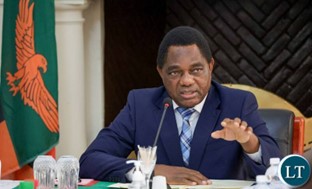
Zambia’s tourism sector achieves record-breaking performance as 2 million visitors generate substantial economic impact, with President Hakainde Hichilema’s strategic stakeholder engagement targeting 125,000 new employment opportunities across hospitality and related industries.
The unprecedented visitor numbers represent 340% growth over pre-pandemic levels, positioning tourism as a critical pillar of Zambia’s economic diversification strategy alongside mining, agriculture, and energy sectors that collectively drive national development and employment creation.
Tourism investor Mark O’Donnell’s State House dialogue with President Hichilema demonstrates high-level commitment to sector development that could generate N285 billion in economic activity annually through integrated approaches connecting transport, hospitality, energy, and infrastructure investments.
“Tourism remains one of Zambia’s most important renewable resources and continues to register impressive growth linked directly with other economic sectors,” President Hichilema stated, emphasizing the multiplier effects that extend tourism benefits throughout the national economy.
Economic analysis indicates each international visitor generates approximately N142,500 in direct spending across accommodation, dining, transportation, and cultural experiences, with additional indirect economic impacts reaching N95,000 per visitor through supply chain and service provider benefits.
The tourism sector’s resilience and inclusivity focus creates sustainable employment opportunities particularly beneficial for rural communities where traditional economic opportunities remain limited. Tourism development directly supports craft production, cultural performances, and local service provision that preserves cultural heritage while generating income.
Strategic coordination across multiple sectors enhances tourism’s economic contribution through infrastructure improvements that benefit both visitors and local populations. Road networks, energy supply, and communication systems developed for tourism serve broader economic development objectives.
President Hichilema’s emphasis on shared responsibility and mutual support among stakeholders creates collaborative frameworks that leverage private sector expertise while ensuring government policy support for sustainable tourism growth and community benefit optimization.
The government’s positioning of tourism as one of four main economic pillars reflects strategic recognition of the sector’s potential for foreign exchange generation, employment creation, and regional development that reduces economic dependence on traditional mineral exports.
International visitor spending supports small and medium enterprises across accommodation, food service, transportation, and retail sectors, creating distributed economic benefits that support entrepreneurship and business development in tourist destination areas.
Stakeholder unity pledges demonstrate private sector confidence in government tourism policies while ensuring coordinated approaches to destination marketing, service quality improvement, and infrastructure development that maintains Zambia’s competitive position in regional tourism markets.
The tourism sector’s contribution to national development extends beyond direct economic impacts to include cultural preservation, environmental conservation, and international relationship building that support broader diplomatic and trade objectives.
Community benefit integration ensures tourism development creates meaningful local economic opportunities while preserving cultural authenticity and environmental sustainability essential for long-term sector competitiveness and visitor satisfaction.