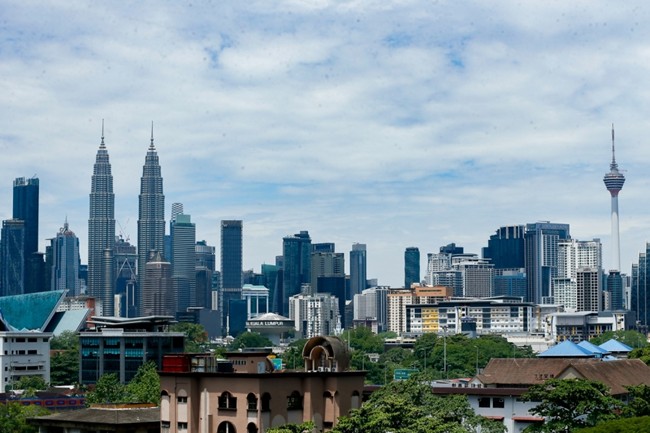
Malaysia demonstrates exceptional economic transformation, lifting over 14 million people from poverty while achieving GDP per capita 3.6 times higher than Philippines and nine times greater than Zambia since independence.
World Bank lead economist Dr. Apurva Sanghi highlighted Malaysia’s overlooked success in reducing poverty rates from approximately 50% in the decade following independence to just 6% currently. This achievement represents one of the most successful poverty reduction programs globally while avoiding permanent slum creation common in other developing economies.
The economic transformation extends beyond poverty reduction to encompass sophisticated industrial diversification, with basic commodity exports declining from 95% of total exports in the early 1960s to 30% currently. This shift toward “complex” goods requiring greater skills, knowledge, and technology demonstrates Malaysia’s successful escape from resource dependency common among commodity-rich nations.
Malaysia’s economic complexity advancement has outpaced every commodity-dependent peer at similar income levels during independence, positioning the country as a regional development success story. The transformation significantly raised living standards while establishing Malaysia as a diversified economy resistant to commodity price volatility.
Strategic positioning within the global halal economy represents another overlooked achievement, with Malaysia becoming a worldwide benchmark for halal certification and standards across food, cosmetics, logistics, tourism, and pharmaceutical sectors. This specialized market positioning generates substantial export revenues while attracting international investment.
The halal economy development demonstrates Malaysia’s ability to identify and develop niche market opportunities that leverage cultural and religious characteristics for economic advantage. Malaysian halal standards now influence global industry practices while supporting domestic industry development across multiple sectors.
Comparative economic performance highlights Malaysia’s development success, with countries beginning at similar economic development levels achieving substantially different outcomes. The Philippines, Zambia, and other nations with comparable starting positions have achieved significantly lower economic development levels compared to Malaysia’s transformation.
Malaysia’s success story provides valuable lessons for other developing nations seeking to diversify economies while reducing poverty levels sustainably.
About The Author
