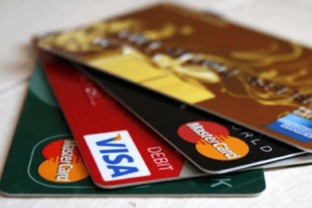
Several Nigerian banks have restored international usage of naira-denominated cards with varying spending limits as foreign exchange conditions show marked improvement.
Providus Bank, First Bank of Nigeria, Guaranty Trust Bank, United Bank for Africa, and Wema Bank have reactivated overseas transaction services after months of suspension due to foreign exchange volatility and dollar shortages. The resumption signals renewed confidence in foreign exchange liquidity and currency stability.
GTBank announced a quarterly international spending limit of $1,000 for naira card users, with customers able to withdraw up to $500 from overseas ATMs and spend up to $1,000 across online platforms and point-of-sale channels within three-month periods. First Bank set monthly limits at $500 with defined transaction frequencies across different channels.
The bank allows up to 10 cross-border ATM withdrawals monthly at N5,000 per transaction, plus up to 20 monthly transactions each on point-of-sale and web platforms at no additional cost. Wema Bank also resumed international transactions with $500 monthly spending limits across its Mastercard, ALAT Mastercard, and Visa card products.
This development reverses restrictions implemented in 2022 when Nigerian banks slashed international spending limits from $100 to as low as $20 monthly. Those decisions were driven by chronic dollar shortages and manufacturers’ struggles to access foreign exchange through official channels.
The official exchange rate has shifted dramatically from N430 per dollar at the Investors and Exporters window in 2022 to N1,528.56 per dollar in the Nigerian Foreign Exchange Market as of July 2025, highlighting major changes in Nigeria’s foreign exchange landscape.
Razia Khan, Standard Chartered Bank’s managing director and chief economist for Africa and the Middle East, noted this step aligns with International Monetary Fund policy recommendations. “With a floating exchange rate regime, Nigeria no longer needs to maintain certain capital control measures,” she explained.
Ayodeji Ebo, managing director at Optimus by Afrinvest, described the development as evidence that current foreign exchange reforms are yielding positive results. “This reinforces that the current foreign exchange management strategy is working, as evidenced by improved liquidity in the official market,” he stated.
The restrictions severely disrupted Nigerians’ ability to access essential foreign goods and services. Students struggled with visa fee payments, professionals faced domain and hosting renewal failures, and content subscriptions became inaccessible. Small businesses incurred higher costs through expensive parallel market foreign exchange and fintech alternatives.
Muda Yusuf, Centre for the Promotion of Private Enterprise chief executive, attributed the resumption to improved foreign exchange market liquidity and stability. “The exchange rate has been more stable, elevating confidence levels for both banks and customers,” he noted.
About The Author
