Nigeria’s automotive industry transformation accelerates as SAGLEV Electromobility Company’s electric vehicle plant in Lagos demonstrates the economic potential of local manufacturing, positioning the country as a regional leader in sustainable transportation technology.
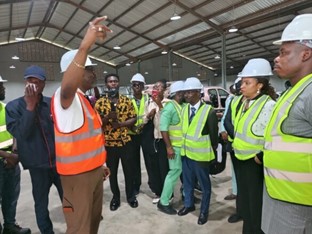
Industry Trade and Investment Minister Dr. Jumoke Oduwole’s facility tour of the Imota-based plant revealed significant economic opportunities, with the company’s N45 billion investment creating approximately 15,000 direct and indirect employment positions across manufacturing, assembly, and supply chain operations.
The electric vehicle sector represents a strategic economic opportunity for Nigeria, with market projections indicating potential annual revenues of N2.8 trillion by 2030. Local manufacturing reduces import dependency, currently valued at over N1.2 trillion annually in vehicle imports, while creating sustainable employment opportunities in emerging technology sectors.
“The Nigeria First Policy prioritizes domestic investors and manufacturers who demonstrate commitment to local value addition and job creation,” Oduwole stated, emphasizing government support for enterprises that contribute meaningfully to economic diversification goals.
SAGLEV’s comprehensive approach includes financing partnerships with Fidelity Bank, enabling affordable vehicle acquisition for Nigerian consumers and businesses. This credit facility framework addresses the primary barrier to electric vehicle adoption—upfront costs—while creating a sustainable market ecosystem that supports local manufacturing growth.
The automotive manufacturing sector’s revival directly impacts multiple economic segments, including steel production, electronics assembly, and logistics services. Economic analysis suggests every vehicle manufactured locally generates approximately N850,000 in related economic activity across supporting industries, multiplying the sector’s overall contribution to national GDP.
Chief Executive Officer Gbenga Faleye identified customs duties and inadequate financing as key challenges facing the automotive industry, advocating for policy reforms that discourage vehicle imports while supporting local manufacturing initiatives. These policy adjustments could redirect the N1.2 trillion annual import spending toward domestic production, creating substantial employment and technology transfer opportunities.
The electric vehicle focus aligns with global sustainability trends while addressing Nigeria’s transportation challenges. Local manufacturing capabilities position Nigeria to serve regional markets across West and Central Africa, potentially generating foreign exchange earnings while establishing the country as a technology hub for sustainable transportation solutions.
Government support through the Nigeria First Policy demonstrates commitment to industrial development that creates meaningful employment while building competitive domestic industries capable of competing in regional and international markets.