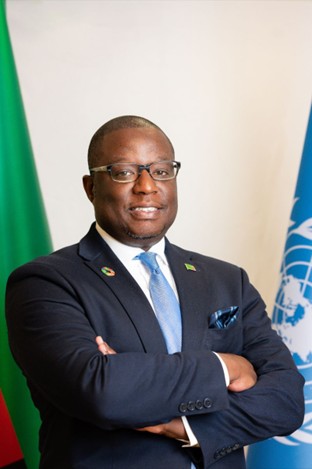
Zambia intensifies diplomatic efforts for equitable development financing access as global community approaches critical 2030 Sustainable Development Goals deadline with significant funding gaps remaining.
Ambassador Chola Milambo’s United Nations advocacy emphasizes urgent reform needs in international financial architecture, particularly addressing developing nation access to affordable capital for infrastructure, healthcare, and education development programs.
“This conference is a crucial opportunity to address the financing gap that continues to hinder progress, especially in developing countries,” Milambo stated ahead of the Fourth International Conference on Financing for Development. The positioning reflects broader African Union concerns about development finance accessibility.
Global economic disparities persist despite world GDP exceeding $100 trillion, with over 700 million people remaining in extreme poverty. The disconnect between available resources and development outcomes highlights structural issues in current financing mechanisms.
Zambia’s advocacy aligns with President Hakainde Hichilema’s vision for affordable financing access, recognizing that high borrowing costs limit developing countries’ ability to invest in growth-enabling infrastructure and social programs. Debt sustainability concerns compound financing challenges.
Small island states and least developed countries require particular attention in reformed financing frameworks, facing unique vulnerabilities to climate change and economic shocks while possessing limited fiscal resources for adaptation and development investments.
The conference provides platform for advocating multilateral development bank reforms, potentially including enhanced lending capacity, improved risk assessment methodologies, and greater representation for developing countries in governance structures.
Private sector engagement mechanisms need strengthening to mobilize additional development finance while ensuring appropriate risk-sharing between public and private investors. Blended finance approaches show promise for scaling investment in challenging markets.
Currency volatility and debt distress risks require innovative financing instruments including local currency lending, catastrophe bonds, and debt-for-climate swaps. These mechanisms could reduce foreign exchange exposure while supporting development objectives.
Technical assistance and capacity building components of financing agreements ensure effective resource utilization and sustainable development outcomes beyond simple capital transfers.