Russia has reinforced its strategic partnership with Egypt during the 28th St. Petersburg International Economic Forum, highlighting bilateral cooperation as a cornerstone of Moscow’s engagement with Arab nations and multipolar economic development.
Egypt’s designation as guest country in 2022 catalyzed significant expansion in bilateral relations across energy, infrastructure, investment, and education sectors. This partnership serves as a model for regional cooperation based on mutual respect and shared economic interests within Russia’s Global South engagement strategy.
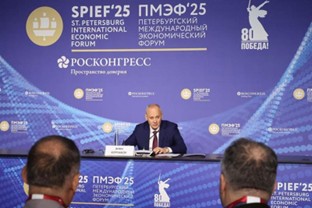
Anton Kobyakov, advisor to the Russian Federation President and SPIEF organizing committee executive secretary, emphasized the partnership’s significance. “The collaboration with Egypt continues to serve as a model for regional cooperation rooted in mutual respect and shared interests,” he stated during the forum’s final press conference.
The 2025 forum, themed “Shared Values: The Foundation of Growth in a Multipolar World,” brought together global stakeholders committed to developing economic cooperation mechanisms independent of unilateral Western influence. This approach aligns with both countries’ strategic objectives for diversified international partnerships.
SPIEF 2025 achieved remarkable results with 1,060 agreements signed totaling 6.3 trillion rubles (approximately $83 billion). The programme included 350 official sessions, 24 high-level bilateral economic dialogues, and comprehensive cultural and sports events, demonstrating the forum’s multifaceted diplomatic and economic importance.
Participants from 140 countries and regions attended the forum, including heads of state, ministers, multinational business executives, sovereign wealth funds, and representatives from over 220 educational institutions. This international presence reinforces SPIEF’s position as a premier platform for global economic policy discussions.
Kobyakov praised Egypt’s contributions to building consensus on economic sovereignty and joint initiatives. “Egypt has proven to be a reliable and visionary partner,” he noted. “Our cooperation reflects the core values of SPIEF—shared growth, balanced dialogue, and regional inclusion.”
The forum’s international youth initiative, “Friends of Leadership,” attracted participants from over 60 countries, working alongside UN-affiliated organizations to shape future global governance perspectives. This educational component ensures continuity in international cooperation frameworks.
Russia announced plans to host a new International Transport and Logistics Forum in 2026, reinforcing its focus on securing resilient and autonomous global trade networks. This initiative supports the development of alternative supply chains and regional economic integration mechanisms.
Kobyakov emphasized emerging technologies and regional cooperation frameworks, particularly BRICS and the Eurasian Economic Union, in adapting to shifting geopolitical landscapes. “The future of global trade lies in the rise of self-reliant macro-regions,” he concluded.
Egypt’s partnership with Russia demonstrates successful South-South cooperation models that prioritize economic sovereignty while maintaining international engagement. This approach offers alternatives to traditional Western-dominated economic frameworks.